






Freedom Letters and the Books It Could Print
A close look at Freedom Letters, founded in 2023, and the specific titles it has published — writers who cannot place work inside Russia.
Presses that work now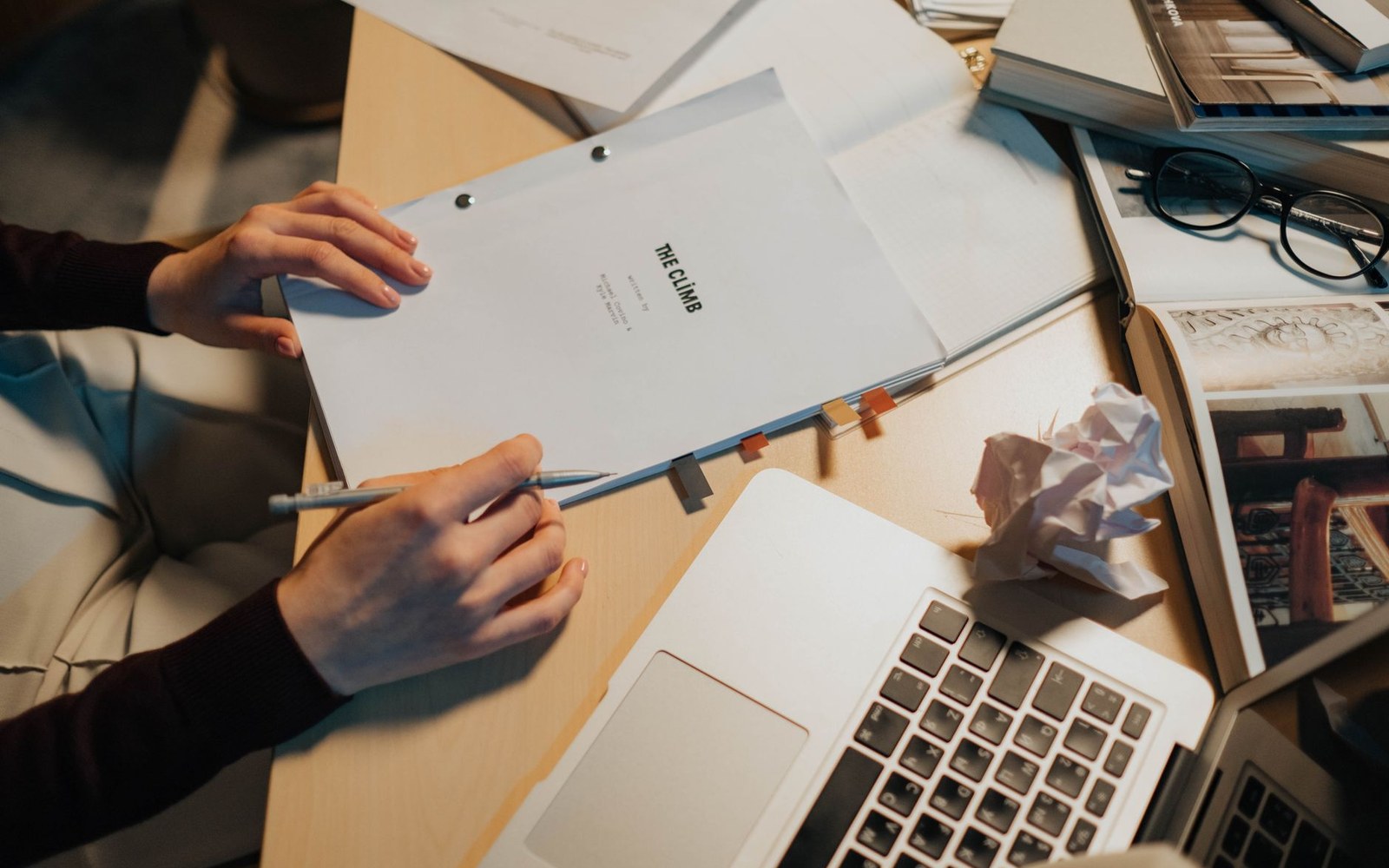 Photo: Ron Lach / Pexels
Freedom Letters, Vidim Books and Babel Books publish in Russian from outside Russia. Inside it, the foreign-agent rules and the 2023 extremism designation decide what a shop may stock.
A decades-long dispute over the most prominent translation partnership in Russian literature turns on three specific charges — and on what the passages themselves reveal.
Read the pieceThe defence of Pevear and Volokhonsky tends to come from two directions.
From the piece
A close look at Freedom Letters, founded in 2023, and the specific titles it has published — writers who cannot place work inside Russia.
Presses that work now
A small exile imprint with a distinct curatorial logic — not rescue publishing, but selection.
Presses that work now
A small press in Israel's Russian-speaking capital publishes work that can no longer appear in Moscow — in Russian, Hebrew, and English at once.
Presses that work now
Garnett translated roughly seventy volumes of Russian literature into English between 1892 and 1934 — this piece examines the choices that became defaults and the passages that later translators went back to correct.
Robert Chandler's translation work on Andrei Platonov and Vasily Grossman — the specific problems each writer posed and the published solutions, drawing on Chandler's own notes and introductions.
Marian Schwartz and Oliver Ready have both translated major Russian prose into English — and their working principles point in opposite directions.
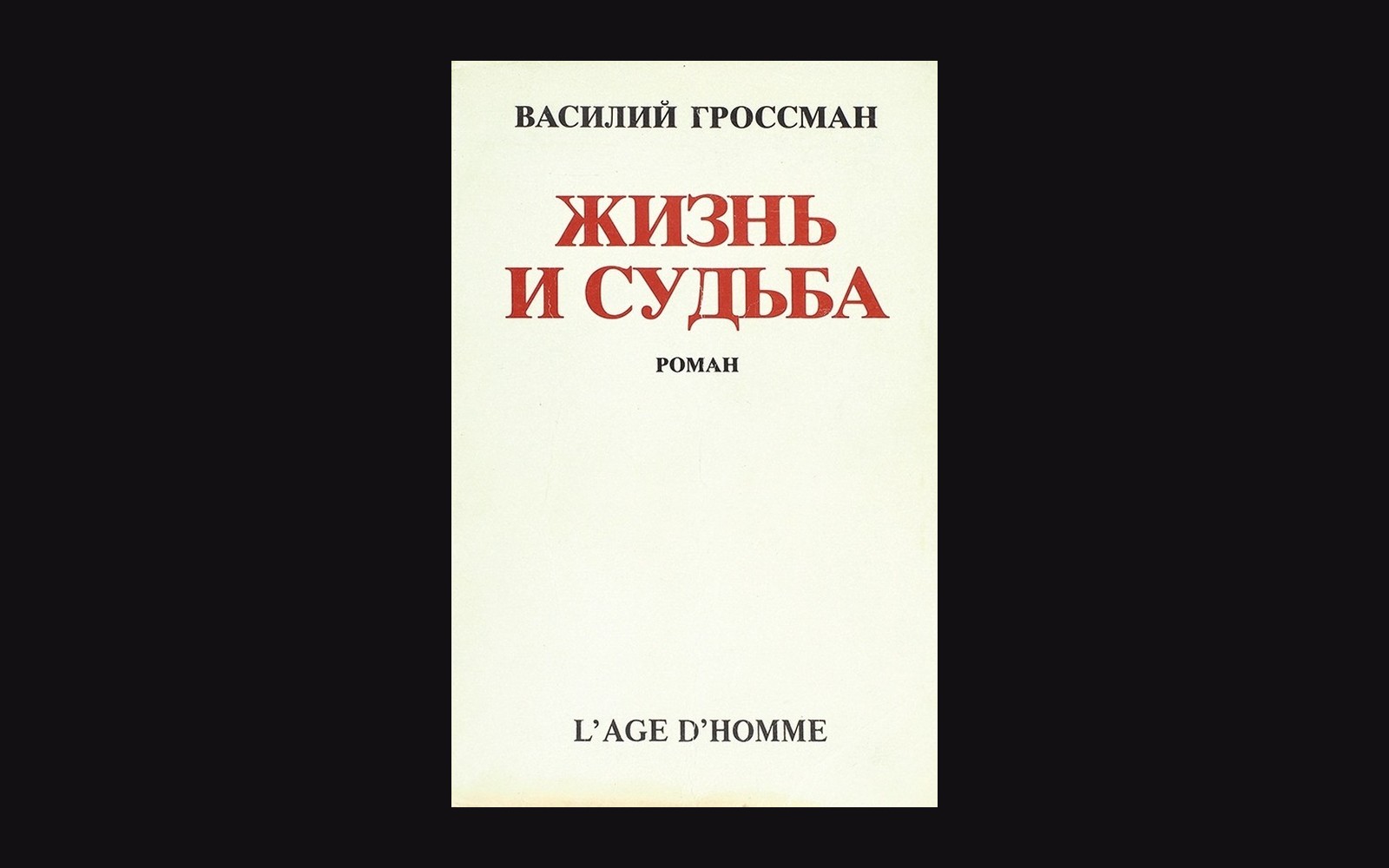 Life and Fate: Four Decades of English-Language Publication
 Which Master and Margarita Are You Reading?
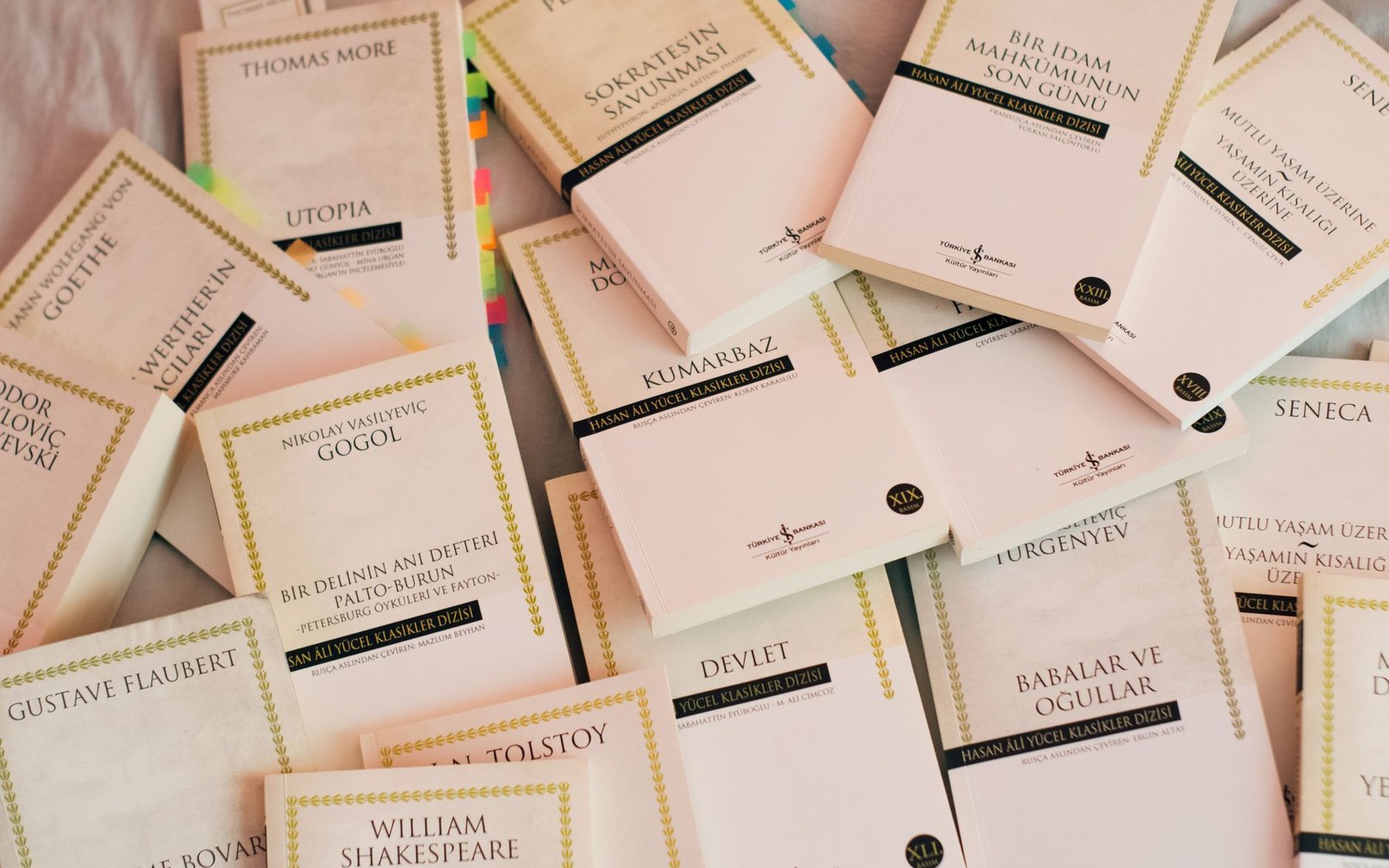 Crime and Punishment, Four Times Over
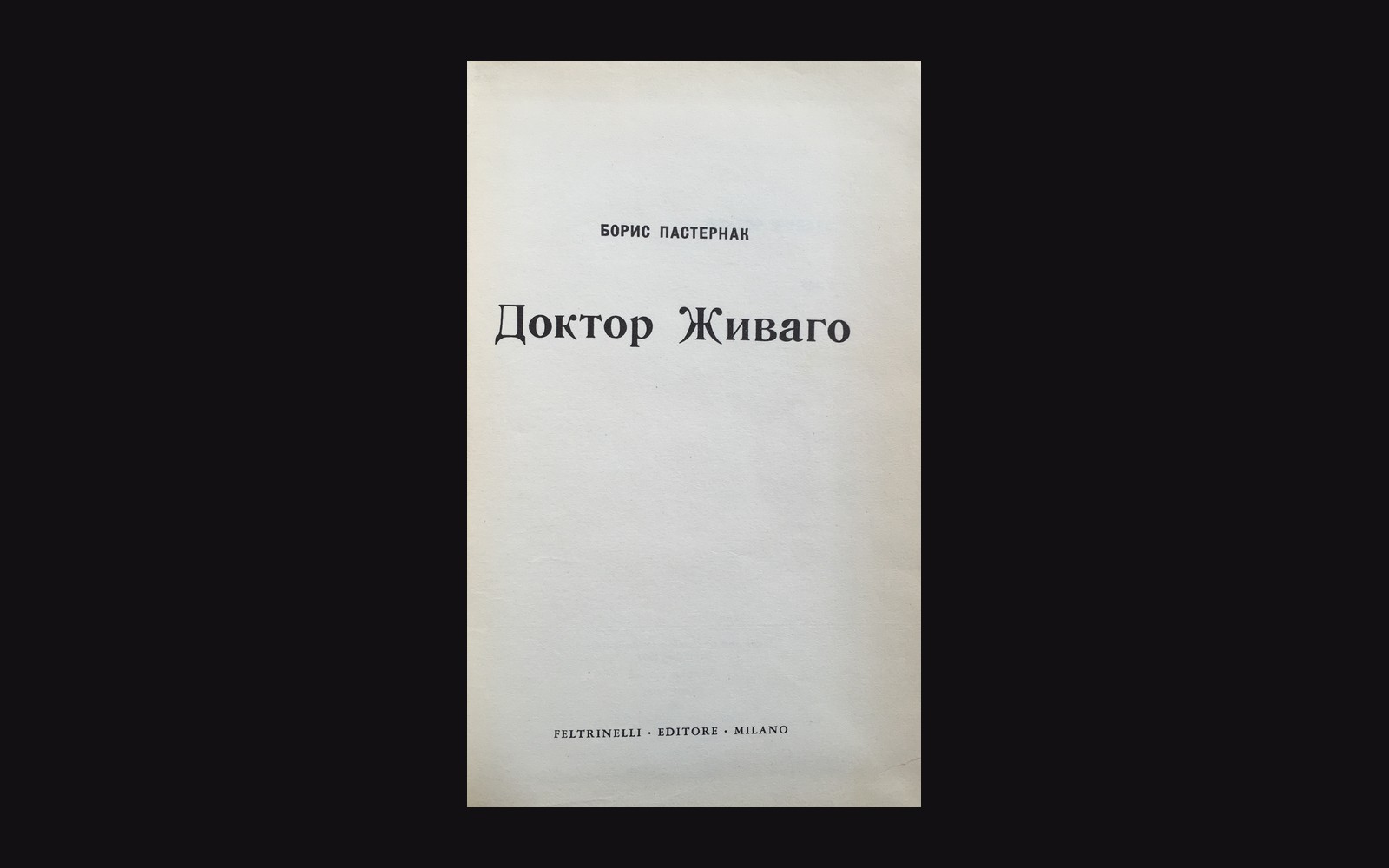 Feltrinelli, 1957: How Doctor Zhivago Was First Published
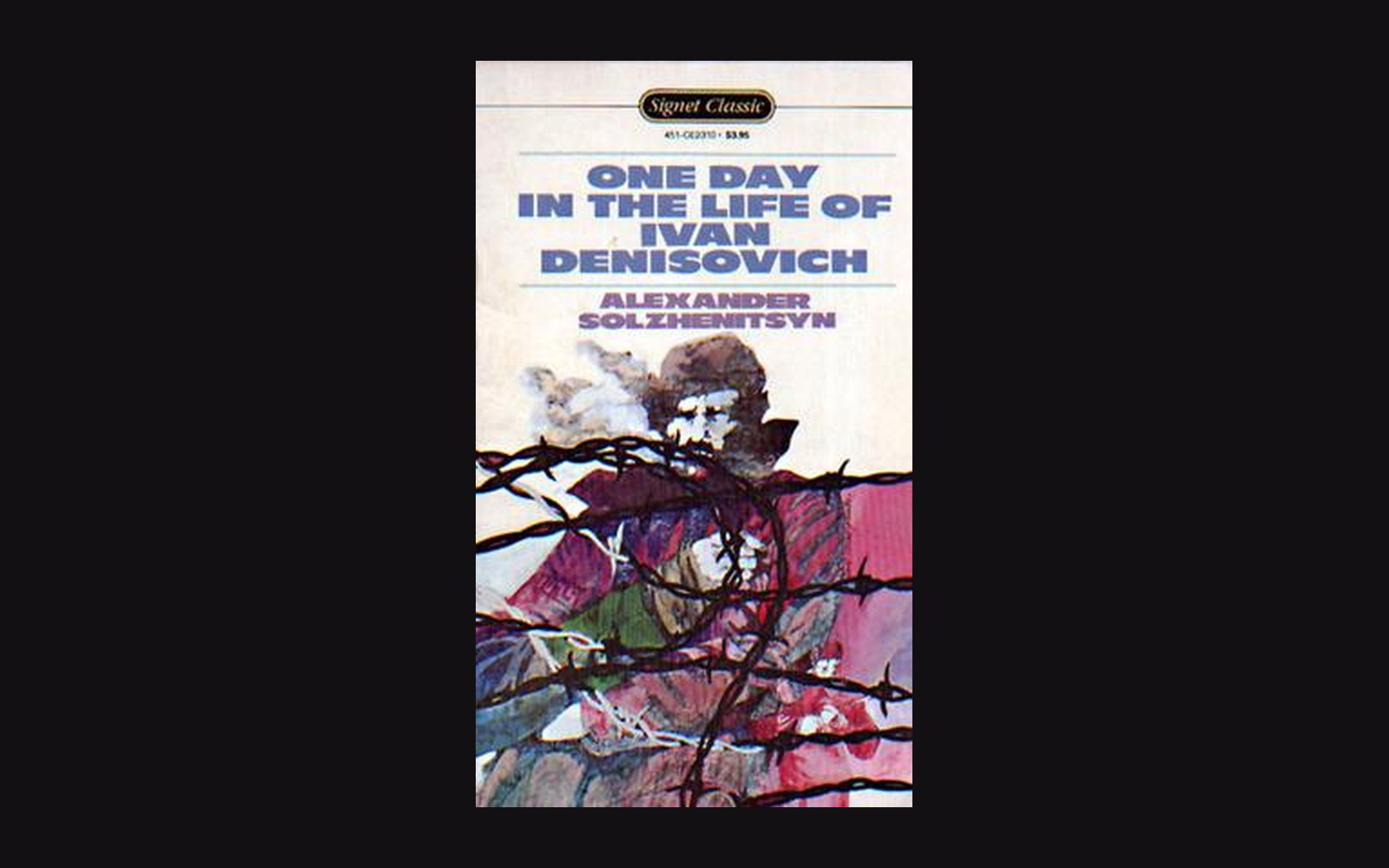 One Day in the Life of Ivan Denisovich: The Novy Mir Issue and After
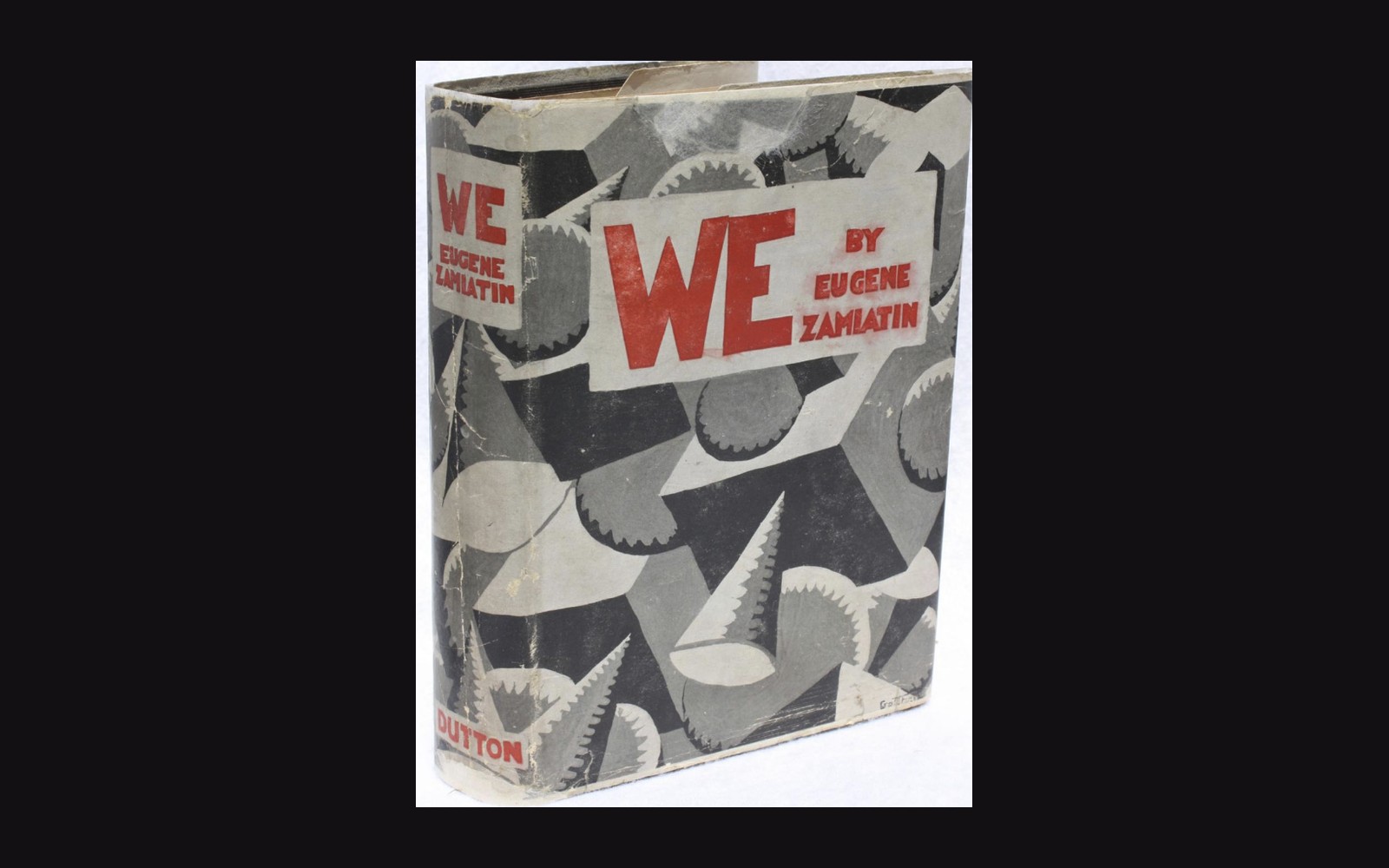 We, 1924: The Book That Reached English Before Russian
Clandestine text in the Soviet Union was not a metaphor for resistance — it was a set of specific physical operations, each with its own material constraints and documented failure modes.
The Soviet censorship authority that controlled every printed word from 1922 until the USSR's collapse operated through bureaucratic routine, not spectacular banning — which made it more effective, not less.
The Soviet state treated its two great Nobel laureates differently — and the difference was not accidental.
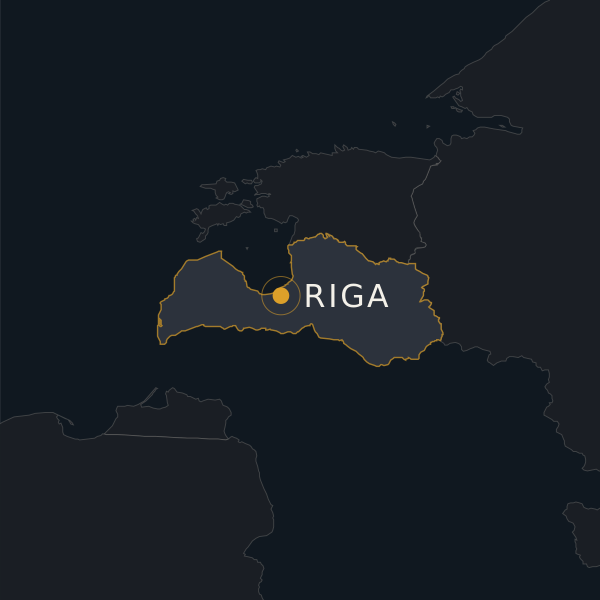
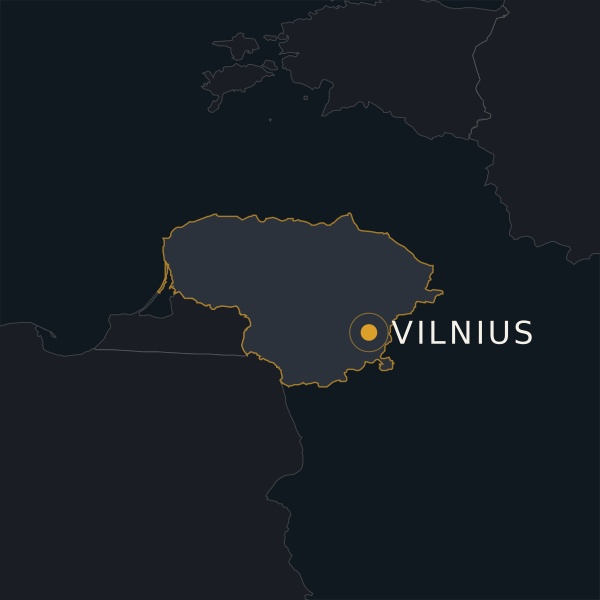
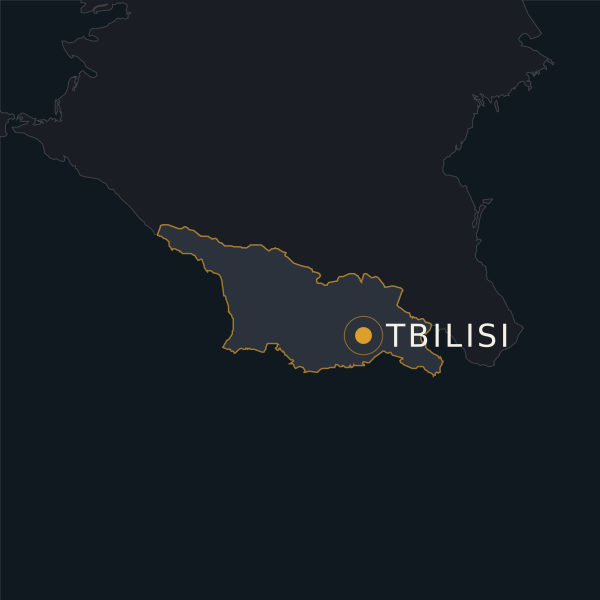

The kit’s geometry covers these four countries. Presses and shops in Berlin, London, Milan and Moscow appear in the pieces themselves rather than on a drawn map.